Why headlights go foggy, and what restoration actually does
The expensive part of your headlight is fine. What has gone is a layer a few microns thick on the outside.
September 6, 2026 · 3 min read
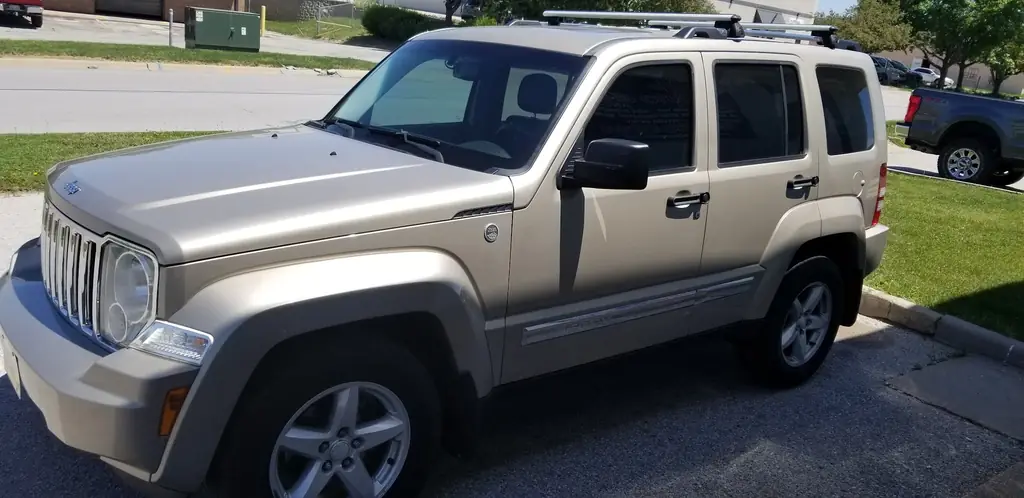
Foggy headlights are one of those faults that creeps up so gradually you stop seeing it. Then you park next to the same model three years newer, and the difference is embarrassing. More to the point, you are getting a fraction of the light on the road that the vehicle was designed to put there.
It is the coating, not the plastic
Modern headlight lenses are polycarbonate. It is tough, it is light, and it can be moulded into the complex shapes a modern light needs. It has one significant weakness: polycarbonate does not tolerate ultraviolet light on its own.
So from the factory every lens carries a hard clear UV coating on the outside. That coating is the sacrificial layer, and it is what fails. It breaks down under years of sun, crazes into a fine network of micro cracks, oxidises, and goes cloudy and yellow.
The polycarbonate underneath is usually still perfectly sound. That is the good news, and it is exactly why restoration is worth doing rather than buying new assemblies. You are not repairing the lens. You are replacing a failed layer on the outside of it.
What fogging does to the beam
A headlight is an optical instrument. The reflector, the bulb position and the lens surface work together to throw a specific pattern with a sharp cutoff, so you light up the road without blinding oncoming drivers.
A crazed lens scatters light instead of directing it. Two things follow. Less of the light reaches where you need it, so the road ahead is dimmer than it should be. And the light that is scattered goes in every direction, including into the eyes of the person coming the other way, and back into your own eyes as glare in rain or fog.
So a foggy headlight is simultaneously giving you less light and giving everyone else more of the wrong kind.
The three steps, and why none of them is optional
Restoration done properly is sand, polish, seal, and shops that skip a step are the reason the job has a mixed reputation.
Sanding is first because the failed coating has to physically come off. That means wet sanding through progressively finer grades until the surface is uniform right across the lens and the yellowing is gone rather than blended around. A lens that has been polished without sanding still has the failed coating on it, just shinier.
Polishing comes next, because a lens that is clean but microscopically rough still scatters light. This is the step that takes the surface back to genuine optical clarity, and it is what makes the difference between a headlight that looks better and one that works better.
Sealing is last and it is the step that decides how long the job lasts. Bare polycarbonate with the original coating sanded off has nothing protecting it at all, and will fog again within a season because the UV is now hitting it directly. A properly sealed lens is a job you have done once and then stop thinking about.
Why the kits disappoint
The reason so many people have tried a supermarket restoration kit and been let down within a few months is almost always the last step. Most kits are a sanding pad and a polishing compound, and a wipe on protectant that is closer to a wax than a coating.
For a fortnight it looks superb. Then it fogs faster than it did originally, because the factory coating that was doing the work has been removed and nothing durable has replaced it.
When restoration is not the answer
Restoration deals with the outside surface. It cannot help with damage inside the assembly. If the lens is cracked, if the reflector behind it has gone dull or is peeling, or if the housing seal has failed and it is holding condensation inside, the assembly itself is the problem and polishing the front will not touch it.
A quick check: if the cloudiness wipes away on the inside of the glass when you can reach it, it is moisture, not oxidation.
We restore lenses for all vehicle types, and mobile service is available if getting the car to B Street is the awkward part. If we look at yours and the problem is inside the housing rather than on the front of it, we will tell you that instead of taking the money.
A+ Auto Glass & More — 402-763-9914
Call 402-763-9914More articles
Chip or crack: when a windshield can still be repaired
The difference between a twenty minute repair and a new windshield is usually a matter of days, not luck.
What ADAS calibration is, and why a new windshield needs it
A camera aimed a fraction of a degree wrong does not warn you. It just quietly measures the road from the wrong place.